
Trees are the lungs of our urban environment. Yet, balancing development with environmental protection remains a critical challenge. This was exemplified recently in the Sutherland Shire Council’s debate over a proposed amendment to ease tree removal restrictions. The Sutherland Shire is a region renowned for its natural beauty and vibrant community spirit, maintaining this legacy requires commitment and action, particularly in the face of challenges like declining tree canopy coverage. The outcome, tree retention by merit-based assessment process prevails! This was not just a policy decision but a testament to community action, and leaders championing for alignment with broader sustainability goals.
This blog post details my journey in advocating for the retention of our tree canopy, reflecting on the amendment’s purpose, consultation results, and the community engagement that ultimately influenced council decisions.

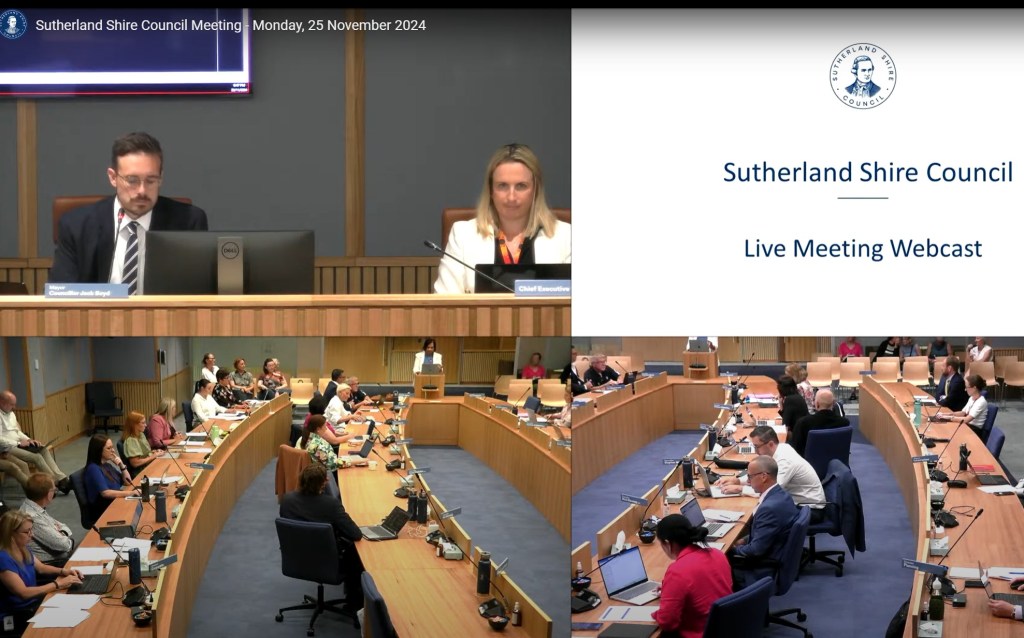
An excerpt from Nelam’s voicing out for positive impact at Sutherland Shire council meeting, 25, November, 2024.
” The proposed amendment contradicts council strategies, including the draft Tree and Bushland Strategy and the Community Strategic Plan, which commits to no net canopy loss. Sutherland Shire is in the process of developing a Climate Strategy to achieve net zero emissions by 2050.
A single mature tree absorbs about 22 kg of CO2 annually. Trees are one of the most effective, low-cost solutions for carbon capture and creating microclimate. I urge you to prioritize long-term environmental sustainability and community well-being over short-term convenience”
The Amendment and Consultation
The draft Amendment 9 proposed aimed to simplify tree removal processes, ostensibly to reduce administrative burdens and provide homeowners with greater flexibility. Community consultation revealed widespread opposition. Of the 120 submissions received, 91% opposed the amendment, citing:
- Inconsistencies with the Community Strategic Plan goal of “no net canopy loss.”
- Challenges in achieving the NSW Government’s 40% tree canopy target by 2040.
- Ineffectiveness of replacement planting programs, as evidenced by a decade of declining canopy coverage.
For us, this was a moment to move from concerned resident to active participant. As a resident of Shire and founder of Nelam, aligning the council’s strategies with community values and broader climate goals became vital. While corporate ESG frameworks and state-level strategies provide critical guidance, it is the actions taken within our neighbourhoods and council that create lasting change for sustainable futures.
Nelam Findings & Advocacy
The proposed amendment to merit based policy for tree retention was a direct threat to the Shire’s environmental goals and community liveability, making advocacy essential. A change that would have serious irreversible repercussions for Sutherland Shire’s already declining tree canopy which fell from 37.42% in 2019 to 28.59% in 2022, a reduction that undermines our ability to meet the NSW State Government’s target of 40% tree canopy cover by 2040.
The implications were clear:
- Urban Heat Risks: Areas without trees can be up to 7°C hotter than shaded neighbourhoods, exacerbating energy consumption and reducing liveability.
- Carbon Absorption Loss: A single mature tree absorbs approximately 22 kg of CO2 annually, offering a cost-effective tool for climate resilience.
- Sustainability Contradictions: The amendment clashed with council policies, including the draft Tree and Bushland Strategy targeting canopy growth and the Climate Strategy aiming for net-zero emissions by 2050.
Speaking at the council meeting was a deeply personal milestone. Collaborating with the industry expert Dr. Eliza Middleton, ecologist and an experienced advocate , I presented evidenced-based yet heartfelt arguments against the amendment.
This experience underscored the importance of combining facts with values. My arguments resonated with councillors, some of whom directly referenced these points in their deliberations to the Sutherland Shire Mayor further strengthening the decision making.
Strategic Alignment: Turning Vision into Action
While the council’s decision to retain the merit-based assessment process was a win for the community, it also highlighted broader gaps in strategy implementation and misaligned action.
Key takeaways:
- Misaligned Strategies : The Tree and Bushland Strategy and Climate Strategy must go beyond aspirational targets. Cross-Policy Synergies between Climate Strategy should explicitly recognize the role of trees in achieving net-zero emissions, integrating tree retention and planting as core elements of carbon management.
- Integration with State Goals: Sutherland Shire’s targets must align with the NSW Government’s 40% canopy cover goal by 2040, ensuring local efforts contribute to state-level ambitions. Greater Sydney is working towards tree canopy cover by 2036 as part of its environmental and urban greening strategies. This target supports urban cooling, reduced pollution, and improved biodiversity. Programs like “Greening our City” have been pivotal, with $37.5 million allocated from 2018–2022 to plant over a million trees. These efforts are projected to increase canopy cover and deliver long-term ecosystem benefits such as carbon sequestration and heat exposure reduction by 2050.
- Public Accountability: Both strategies should include clear metrics and measurable progress, such as annual canopy coverage reports and independent audits of replacement planting programs. Regular progress reports and community engagement are vital to building trust and maintaining momentum and enhanced enforcement of planting programs.
These strategies must not exist in silos but as interconnected frameworks driving environmental, social, and economic sustainability while developing the Sutherland shire community. The council’s decision to retain the current tree removal policy is just the first step. The real challenge lies in ensuring long-term commitment to these benefits through effective implementation of strategies. Trees are one of the simplest, most effective tools for creating liveable, sustainable urban environments. Their benefits extend beyond environmental resilience to socio-economic wellbeing and biodiversity of our urban living spaces.
Next Steps and a Call to Action
Protecting our tree canopy is not just about preserving greenery—it’s about ensuring a resilient, and vibrant future for all. The council’s decision to retain the current tree policy was a victory for long-term thinking, but the work is far from over. With the draft Tree and Bushland Strategy and Climate Strategy coming up for consultation, there is an opportunity to shape a more sustainable future. As residents, it’s our responsibility to:
- Participate in public consultations and voice our concerns here.
- Advocate for clear, measurable goals in these strategies.
- Hold the council accountable for progress toward canopy and climate targets.
This experience has reinforced my belief in the power of community action and strategic alignment. At Nelam, we are committed to turning sustainability strategies into meaningful actions, both in corporate contexts and within our local government and communities.
What are your thoughts on aligning local strategies with state and global sustainability goals?
Follow us on Nelam LinkedIn & Share your insights—I’d love to hear them!
Reference: 25 Nov 2024 Sutherland Shire Council meeting: COR086-24 FURTHER REPORT – DRAFT SSDCP2015 AMENDMENT 9 – TREES WITHIN 3 METRES

 nelam.earth
Leave a comment